Digital Cameras - The "in" Thing For Photography
Digital cameras have captured the photographic marketplace because you no longer need to use film. Digital cameras can also be considerably smaller as they do not need a film chamber. You no longer have to send photos to a developing lab to have the pictures blown up or adjusted as long as you have a home computer. Whilst the image storage may be digital, the end result looks no different from a picture printed from photographic film.
Focusing light through a lens onto a suitable receptive surface is still common to both types of camera. However, it is how the digital camera captures the light that makes all the difference because it achieves this by using a special sensor as opposed to film. A charge couple device is the light capturing device in the quality models that is used to convert light into electrical signals and as far as the user is concerned, an image is saved just like an ordinary device. Less expensive cameras us a complementary metal oxide semi-conductor or CMS device which does the same work of capturing an image and although some believe it could replace the CCD, this is not likely.
In order to bring digital photography to the masses, the price had to come down; an expensive part of the system is the capture device, so by replacing the CCD with the CMOS device it enabled the price to be reduced. The CCD and CMOS devices used in digital cameras capture light like tiny solar collectors both achieving the same effect but just by differing methods. Information to help you choose a suitable model of camera is mention in this review. Image quality is important or it will be waste of time taking them so look for the highest megapixel model within your price range; they can also provide prints that are larger without any degradation.
Better photos will be taken with a digital camera that has an optical zoom and not just a digital zoom; even a camera with a three times optical zoom is worth having. One way in which you can save money is to use batteries that can be recharges over and over saving you hundreds of dollars over their lifetime. If you want to do more than just take snap shots, look for a model that is high on functionality to create stunning photos you can be proud of; functions like those listed here for instance:
*Sepia shots *B/W image conversion *Mosaic effect shots
Most models these days can accept a storage card to accept more images because high megapixel models use up a great deal of memory. Although larger storage cards have plummeted in price, a 1GB card should be enough for most peoples needs; some cameras won't accept very high capacity cards anyway.
If your camera is going accompany you wherever you go, then you will need to consider its size. These smaller models are very discreet and don't make you feel as if you are on a photographic safari but you can still take professional looking pictures. There has only been room for a few basic hints and tips here but they should help with your choice of camera. With their range of features and ease of use, digital cameras are the future of still image photography.
skip to main |
skip to sidebar
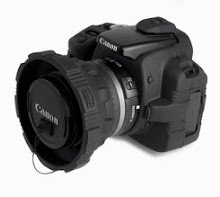
Camera


All Things Photography is for beginners, amateurs or pros! It includes tips, Photoshop and photography tips...
Camera
Archive
-
▼
2008
(45)
-
▼
May
(17)
- Digital Photography Techniques-Selection of Camera...
- photography jobs wichita kansas
- tips on concert photography
- guinea pig in photography nature domestic sort time
- by jerrywhite in photography people nude sort time...
- by violentz3 in photography people nude sort time ...
- clip art photography fun photos blog myspace image...
- photography and photographers of the american civi...
- school pictures categories wedding photography video
- art photography media entertainment design creation
- clip art photography fun photos signs images free
- photography of female nudes in the public domain
- music movies entertainment photography bartender
- digital photography photojournalism 35mm shutter
- retail,photography, wholesale,bindery,warehouse
- fantasy world in photography nature landscapes
- photography categories photographers portrait
-
▼
May
(17)